AI imagery, engineered. Not prompted and prayed for.
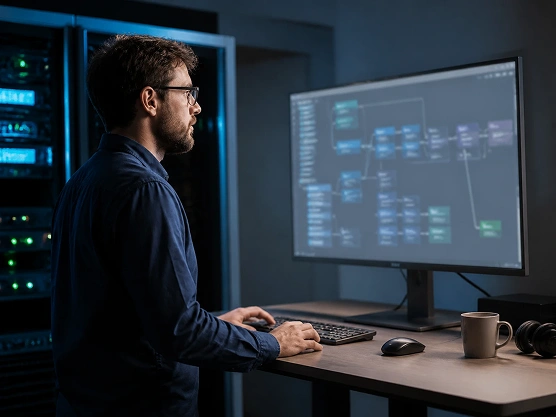
We build repeatable image-generation pipelines — Flux dev, Gemini, and GPT image models orchestrated through ComfyUI graphs on RunPod serverless GPUs. Same character, same style, thousands of images.
No single model wins every brief — we route each shot to whichever engine does it best, by quality, cost, and licensing.
01
MODEL
Flux dev
Our workhorse for character and stylized work — full control, LoRA-tunable, self-hosted.
02
MODEL
Gemini image
Fast photoreal generation and conversational edits via API.
03
MODEL
GPT image
Best-in-class for text-in-image, layout-aware and instructional shots.
04
CONTROL
ControlNet
Pose, depth, and composition control — the image obeys the brief.
05
IDENTITY
Custom LoRA
Character and style identity trained on your references, locked forever.
06
ORCHESTRATION
ComfyUI
Node graphs that chain models, controls, and masks into one repeatable pipeline.
07
INFRA
RunPod serverless
GPU workers that fan out to 60+ at peak and scale to zero when idle.
08
QC
Automated scoring
Identity, style, and artifact checks on every frame before human review.
Engineered, not improvised
A pipeline someone can actually maintain.
Every model, control, and QC gate above lives in a versioned ComfyUI graph — not a folder of one-off prompts. Change a step, re-run the batch, get the same result every time.
The pipeline
Brief in. Thousands of on-brand images out.
Click each stage to see what happens inside.
1
Brief & art direction
Style boards, palettes, negative space rules
→
2
Prompt system engineering
Templates, style tokens, negative prompts
→
3
Model routing
Flux dev · Gemini · GPT image — per shot
→
4
ComfyUI graph build
ControlNet, IPAdapter, LoRA stacks, masking
→
5
Serverless scale-out
RunPod GPU workers · queue · scale to zero
→
6
QC, consistency & delivery
Identity scoring, upscaling, human review
→
STAGE 1 / 6
Brief & art direction
We turn your brand guide (or a handful of reference images) into a written visual spec: palette, lighting logic, composition rules, and an explicit "never do this" list. This spec is what every later stage is validated against.
OUTPUT → A visual spec every generated image is scored against.
Real work
What the pipeline produces.
Case · AI story generation
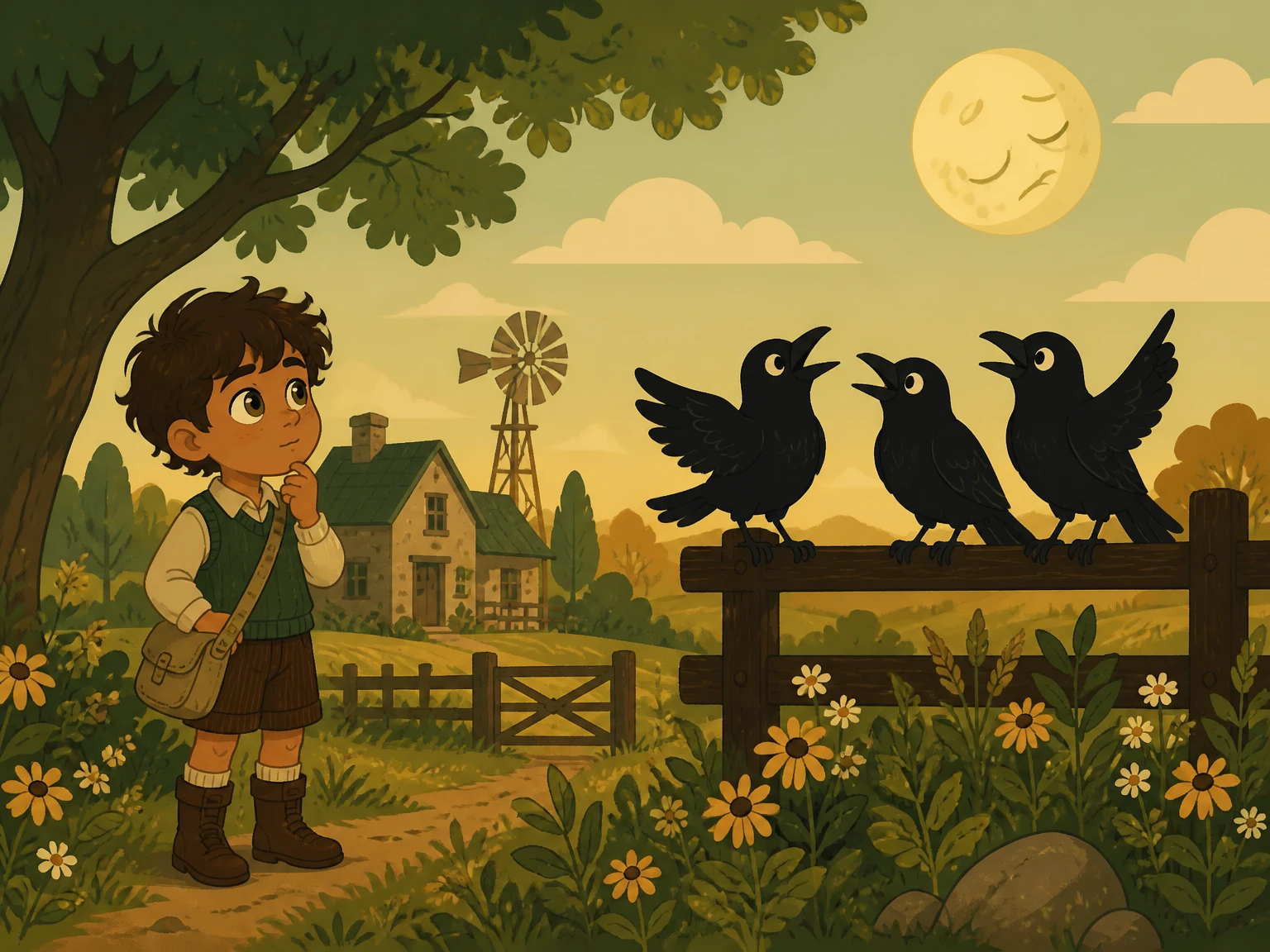
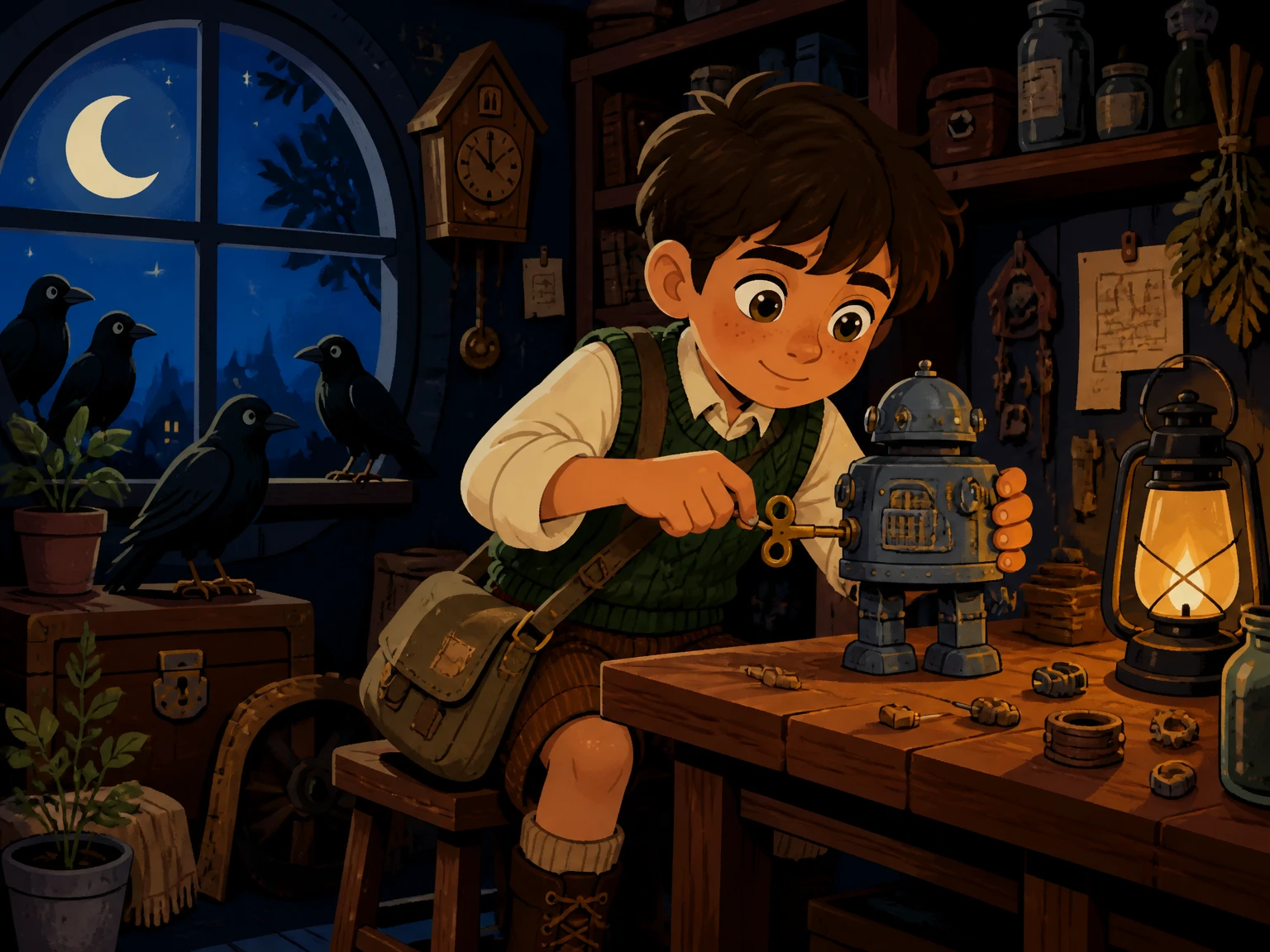
A 24-page illustrated story — one visual voice, end to end
Script decomposed into shots, each rendered through the same style-locked ComfyUI graph. Panels stay in one palette, lighting logic, and line weight from cover to final page.
24 pages · 2 days · 1 style
p.01 — establishing
p.09 — conflict
p.17 — turning point
p.24 — resolution
Case · character consistency
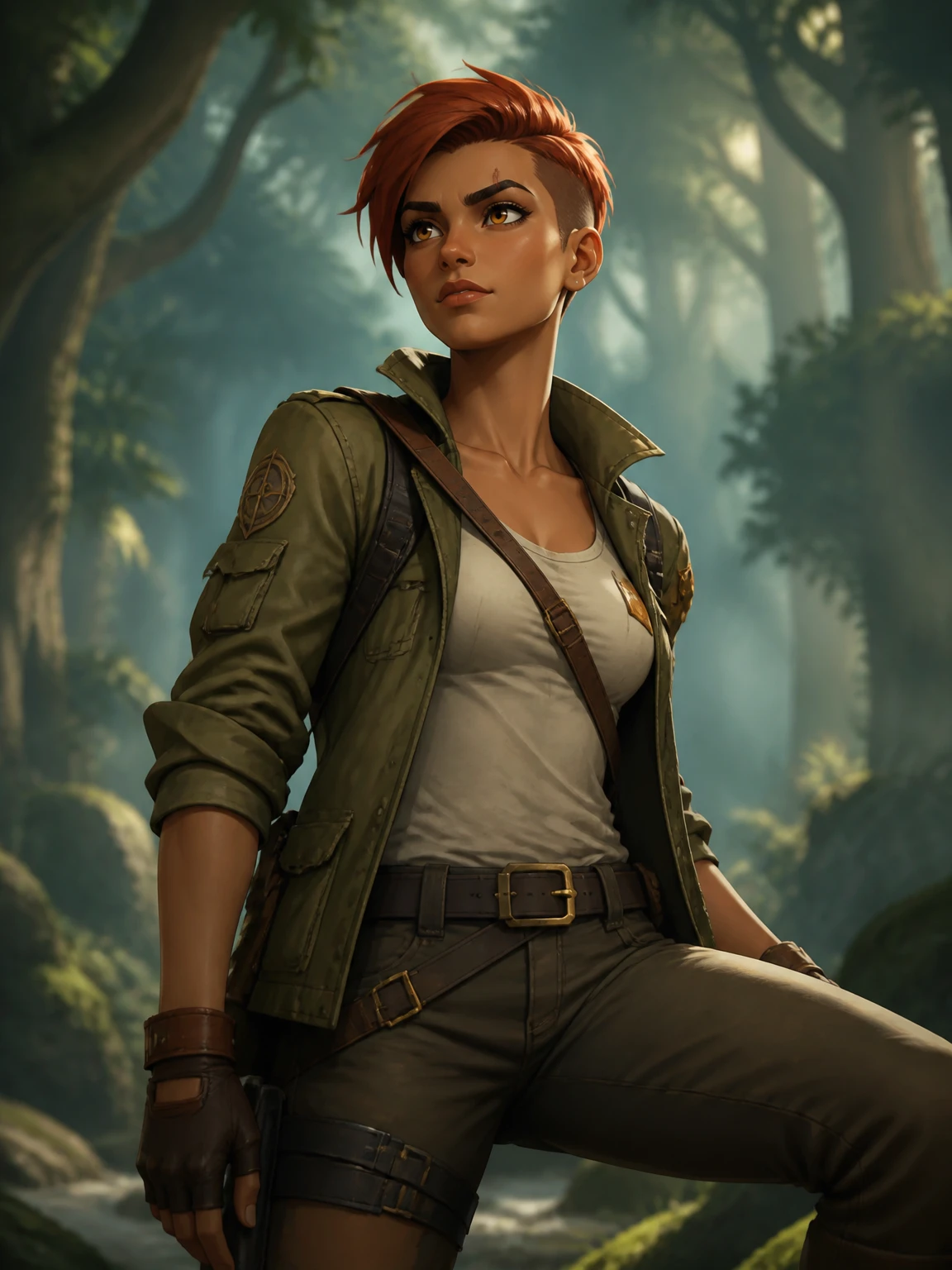
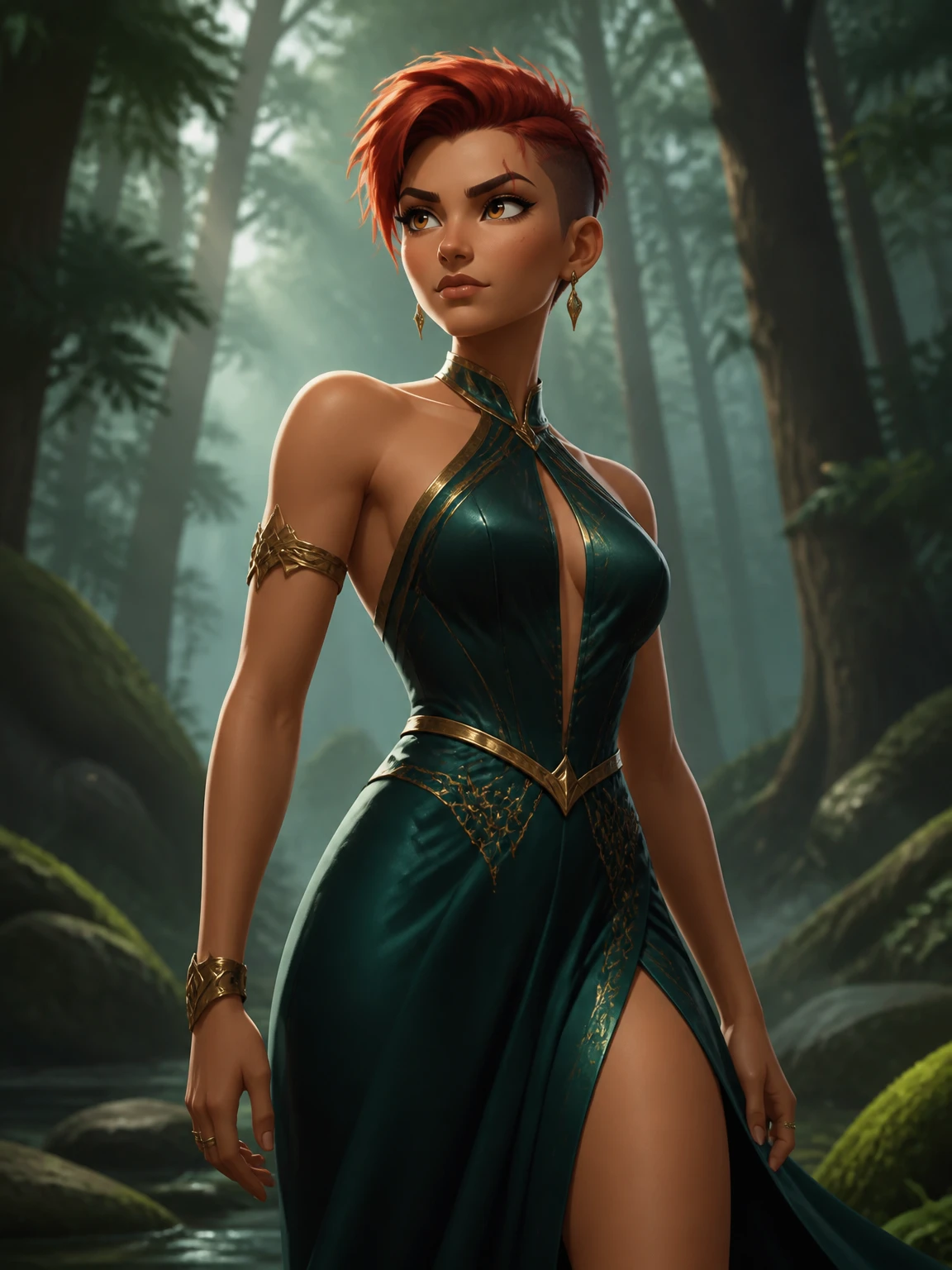
One character. Any scene, pose, or outfit.
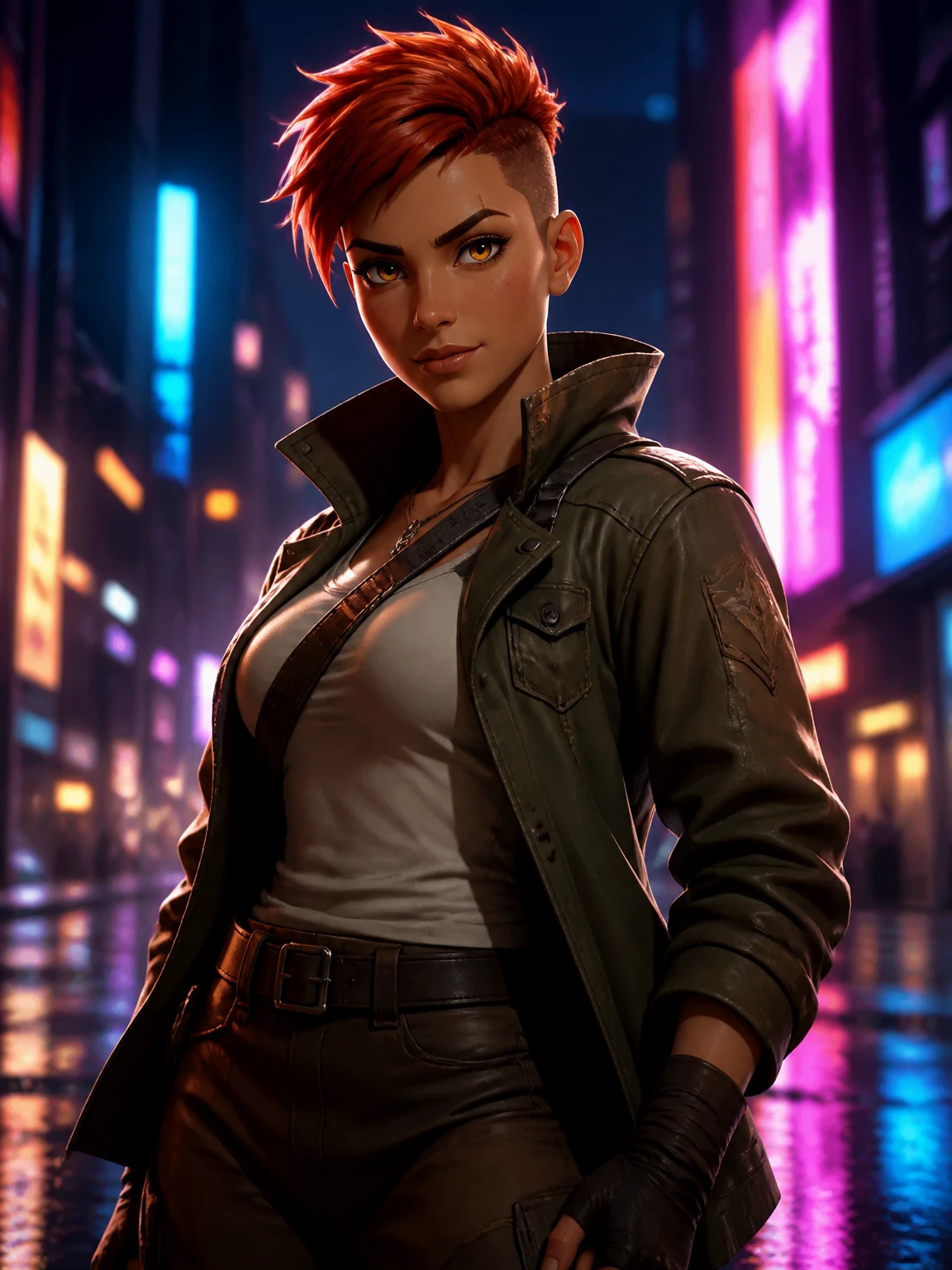
A custom LoRA locks the character's identity; ControlNet drives pose; IPAdapter carries face and wardrobe cues. Automated identity scoring rejects any frame that drifts — 96%+ pass rate before a human ever looks.
LoRA + ControlNet + IPAdapter
REFERENCE
trained LoRA identity
scene: city · id 97.2%
pose: action · id 96.8%
outfit swap · id 96.4%
Case · product imagery at scale
40,000 catalog images. No photo studio.
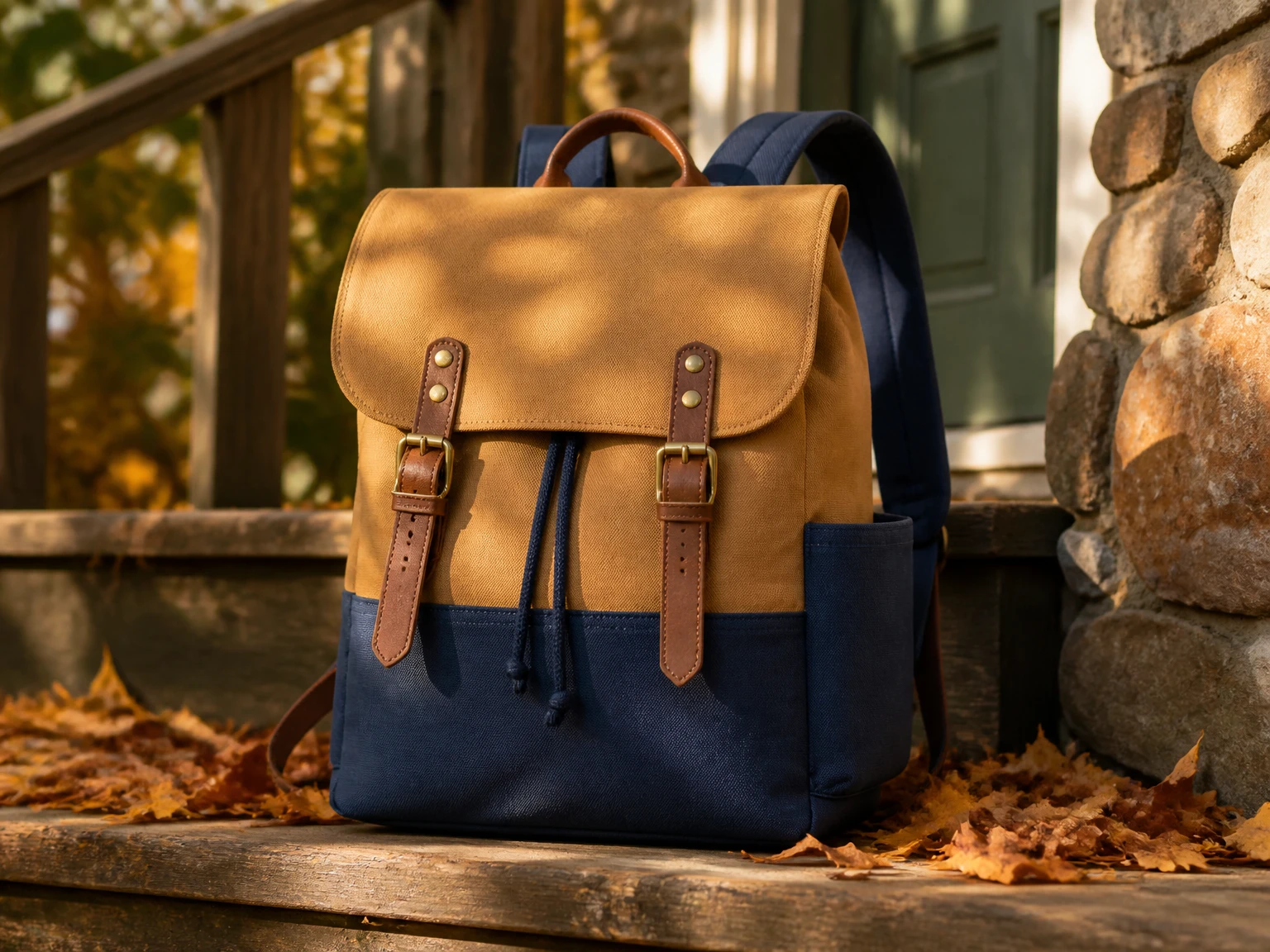
Product cutouts composited into brand-consistent generated scenes — lighting matched, shadows rebuilt, upscaled to print resolution. RunPod serverless fans out to 60 GPU workers at peak, then scales back to zero.
60 GPUs peak · $0 idle
lifestyle set
studio set
seasonal variant
Placeholder frames — drop your own examples in, or ask us for the live portfolio on a call.
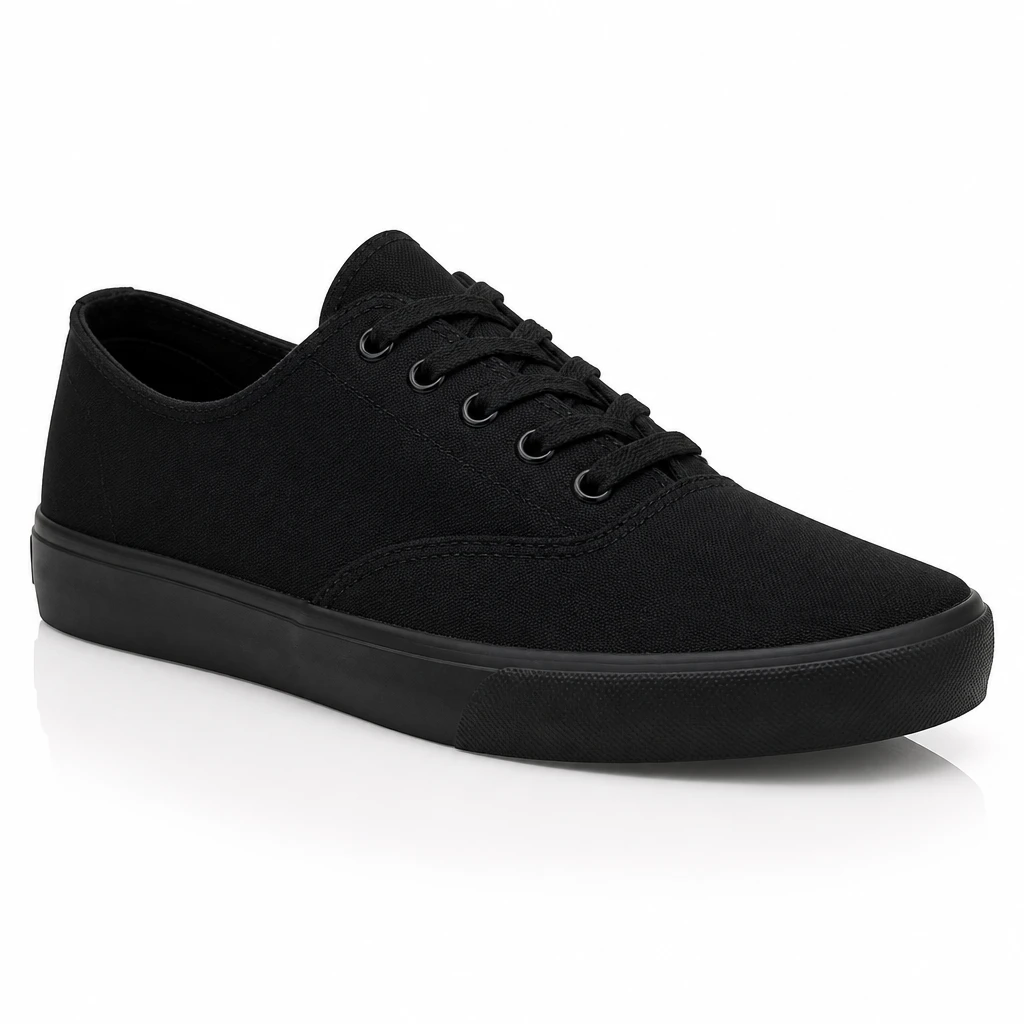
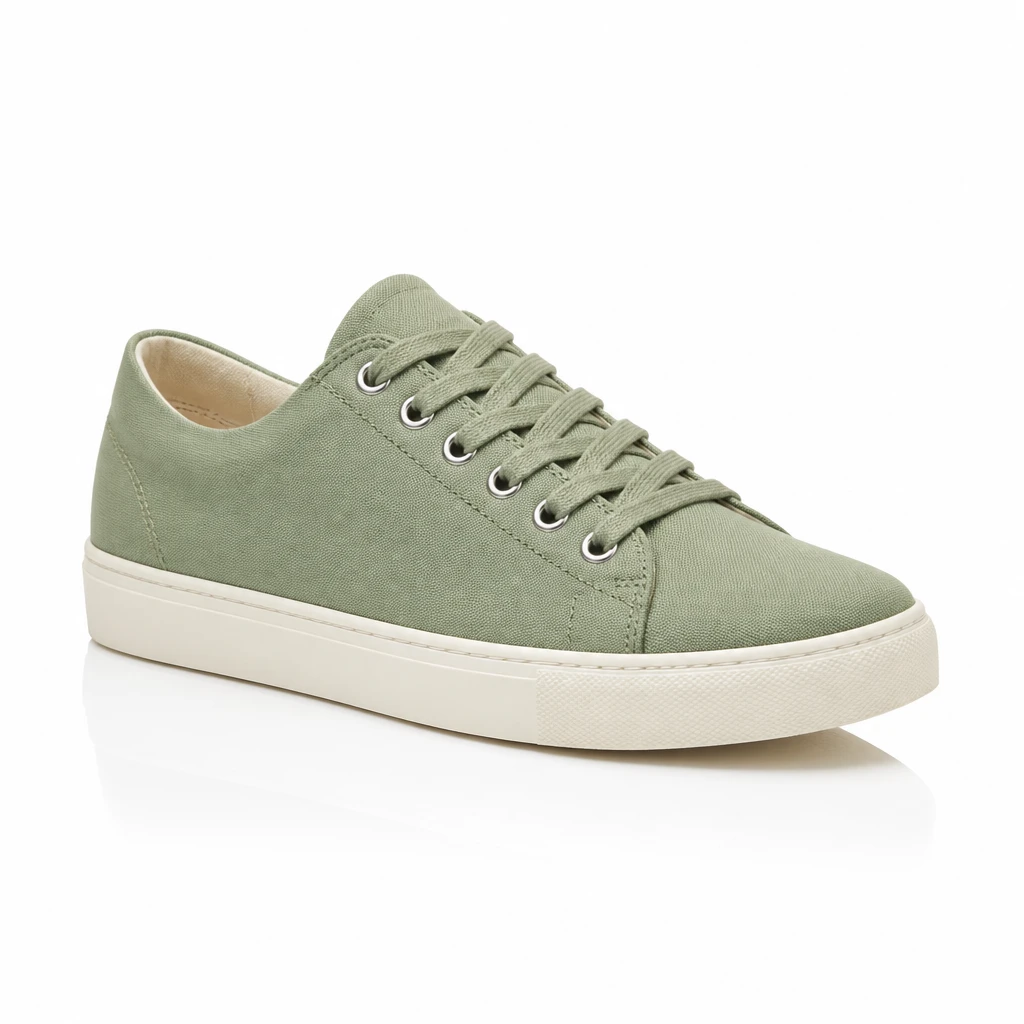
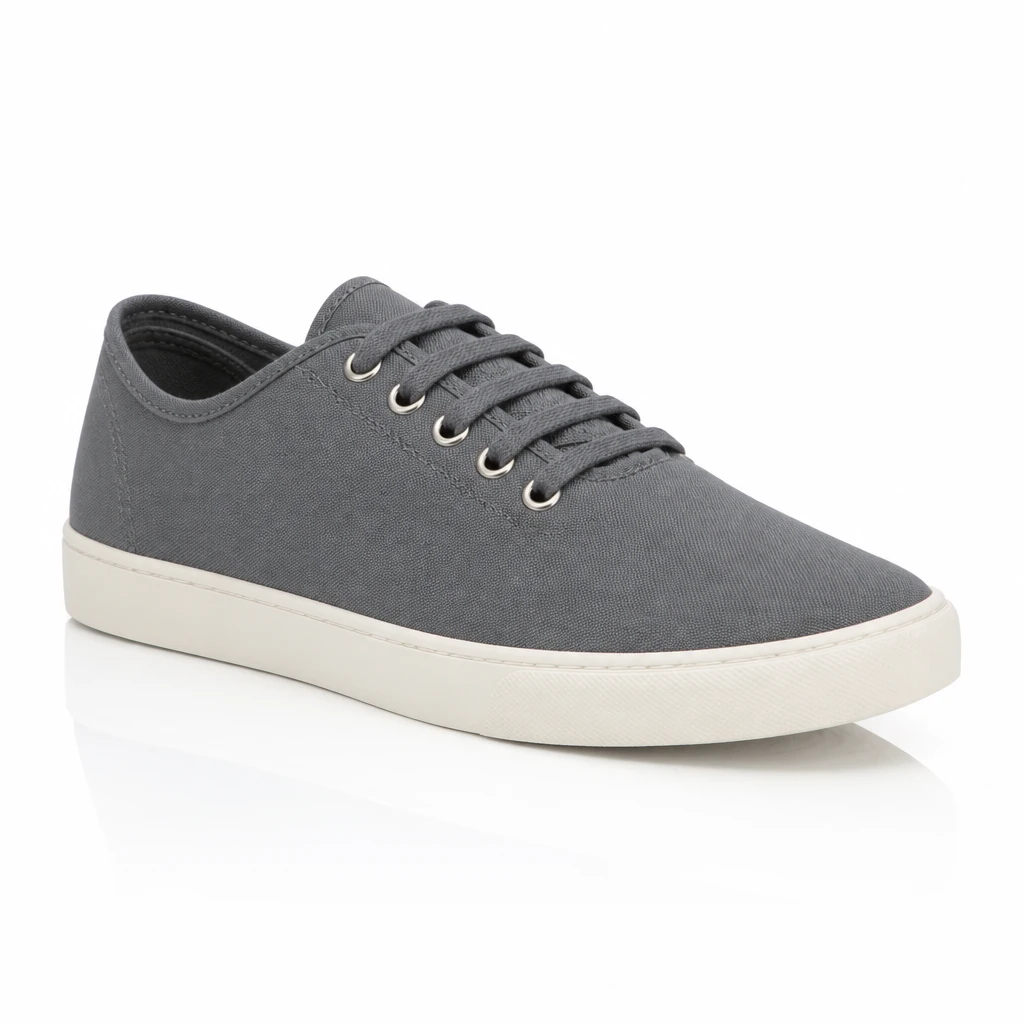
// one SKU, six colorways, one afternoon
Same shoe. Same camera. Every colorway.
Classic whiteMatte blackSage greenBurnt orangeSlate grayNavy blue
// how consistency actually works
Consistency is engineering, not luck.
LoRA identity lock
A small model trained on your character or style — identity survives any scene, pose, or outfit change.
IPAdapter reference
Face and wardrobe cues injected per shot, so details persist without retraining.
ControlNet steering
Pose skeletons, depth maps, and sketches drive composition — no prompt roulette.
Embedding-based QC
Every frame scored against the reference; drift is rejected and regenerated automatically.
The last gate
A human always signs off.
Automated scoring catches drift and artifacts, but an art director makes the final call on every batch — so what ships isn't just consistent, it's genuinely on-brand.
Have a visual problem at scale?
Send one reference image and a sentence — we'll propose the pipeline and a fixed price.